
Lily Allen’s West End Girl: A Breakup Album for a Parasocial Age

Lily Allen is not your typical wounded popstar sobbing in the confessional booth. From her debut with cheek and swagger, she’s always pointed the camera back at the world, adding a sneer, a smirk, and a notebook full of barbs. On her fifth album, West End Girl, she turns that lens inward and outward all at once: inward, into the raw pit of her marital undoing, and outward, into the wide-open, always-online moment we’re all living through.
In this record, Allen picks apart her marriage to actor David Harbour, revels in the dinner-table drama of infidelity, open arrangements, and public spectacle, all done with the kind of radical honesty that sets you squirming in your chair. The star-woman who once wore her lipstick like a flag now looks more like a woman in the middle of an existential meltdown. Considering the life moment of the fans who built her, it’s a feeling that’s all too familiar.
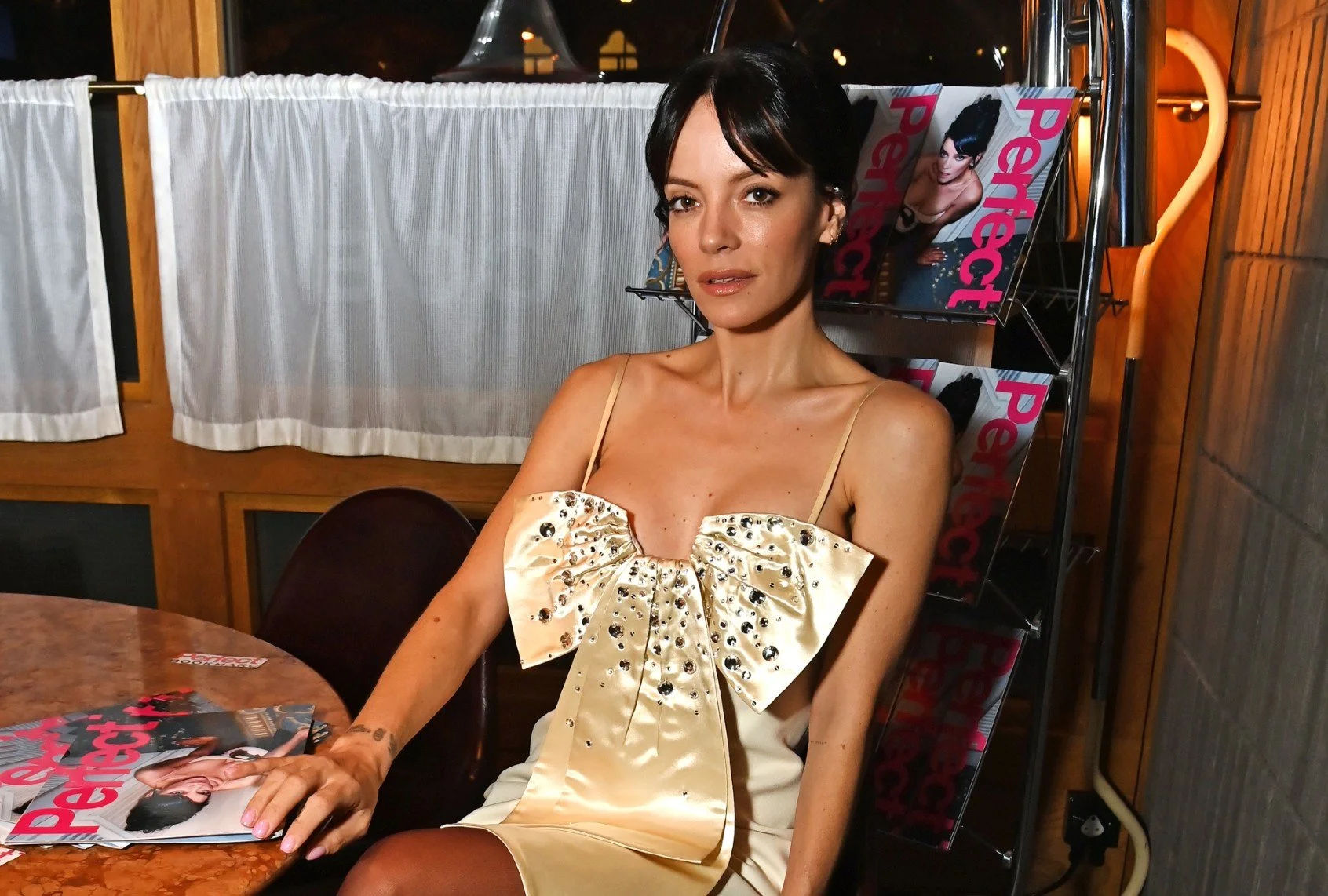
But Allen isn’t playing victim. She knows the rules have changed. She knows our online culture wants villains, wants black-and-white morality, wants to point a finger and pick sides. And she refuses to hand them that easy narrative. Instead, she invites us into the messy middle, the emotional grey zone, the “we both screwed up, but someone still feels the scar” zone. The songs aren’t about pointing blame. No they’re about feeling. About survival. About what happens when a public life collapses in slow motion and you’re the one left holding the shards.
The reaction says as much about us as it does about Allen. Listeners turned her album into a personal moral referendum: “Is she right? Is he wrong? Should we cancel or crown?” Meanwhile, Allen is simply telling a story. She’s aware the internet wants to devour her personal life, and yet she hands it over on a platter and says: here. Think about this. But don’t pretend you’re not watching, because I know you are.

In the end, West End Girl isn’t just an album about a breakup. It’s an album about celebrity, about parasocial connection (we feel like we know her, but do we?), about how modern love happens with a million witnesses and no privacy. And most of all: it’s about how, in the age of the scroll and the screenshot, we live in each other’s stories whether we asked to or not, so why not remake our own narrative anyway.
