
What I’ve Learned Hosting Sex Parties: The Real Pros and Cons of Hookup Culture

I’ve spent years hosting sex-positive events, spaces where strangers can meet, explore, flirt, and sometimes have sex. I’ve seen hookups that were joyful, healing, empowering, downright magical… and I’ve seen encounters that left someone feeling more alone than when they walked in.
Hookup culture is neither a hero nor a villain. It’s a tool, and like any tool, it can build or break depending on how it’s used.
What I can tell you, after watching thousands of people navigate these spaces, is that the science lines up with the lived reality: casual sex can be deeply fulfilling for some and emotionally damaging for others. The difference comes down to intention, consent, boundaries, emotional readiness, and, let’s be honest, social conditioning.
Let me walk you through both sides, with research and with stories from the splash zone of sex-positive community building.
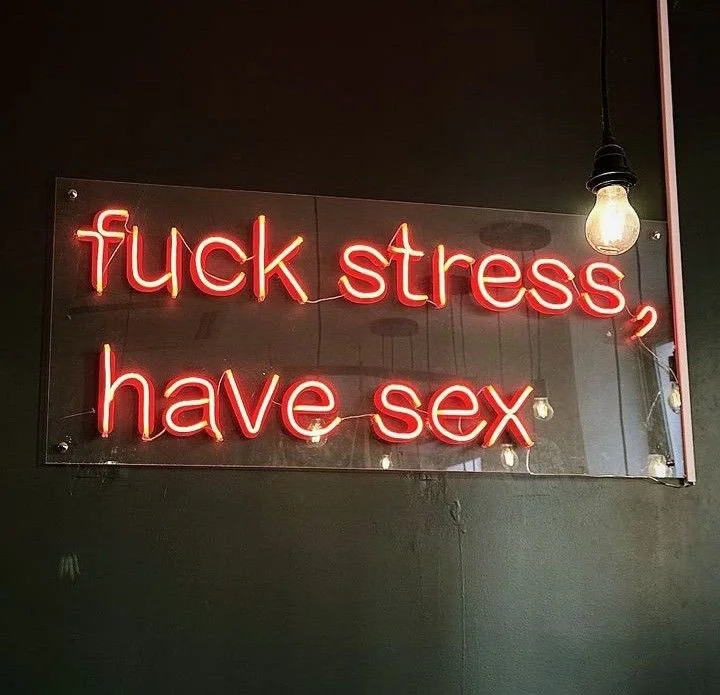
The Pros: When Hookups Truly Help People
At my events, I’ve watched casual sex act as a catalyst for personal growth, not because sex itself is magic, but because intentional, consensual exploration can unlock parts of us that everyday life keeps boxed in.
Pleasure, curiosity, and self-discovery
For many people, especially those who grew up repressed or judged for their desires, hookups can be liberating. Research backs this up: casual sex can help people learn what they like, what they don’t, and what they want from intimacy.
At The NSFW, you can always spot the moment someone realizes:“Oh. I’m allowed to like this.”
That alone can be transformative.
Confidence and emotional empowerment
Some guests leave glowing, not because they “got laid,” but because they felt seen, wanted, or valued in a way they never have before.
Research shows that when people enter hookups with clear intentions and internal motivation, they often experience boosts in self-esteem and well-being.
The key is choice, not pressure.
Community and connection in unexpected forms
People assume hookup culture is cold and detached, but I’ve watched strangers share moments of intimacy that were tender, compassionate, and deeply human. Hookups don’t have to be transactional. Sometimes two people meet for a night and walk away with a sense of belonging they’ve never felt before.
Sexual autonomy, especially for women and survivors
For marginalized groups, consensual casual sex can be a form of reclaiming bodily autonomy.
I’ve seen survivors use these spaces to rewrite their narratives, in their own time, on their own terms.
The scientific literature supports this: autonomy is a major predictor of positive outcomes in casual sex experiences.

The Cons: When Hookups Hurt More Than They Help
Now the part people don’t always want to talk about, and the part every host needs to understand deeply.
Emotional fallout, regret, and post-hookup loneliness
A huge multi-campus study of nearly 4,000 college students found that recent hookups were associated with:
lower self-esteem
higher anxiety
more depression
greater social anxiety
I’ve seen this in real time. Someone leaves a room smiling, but an hour later they’re sitting alone wondering why the high didn’t last. Not everyone is ready for the emotional whiplash casual sex can bring.
Women often carry more emotional risk
The research here is clear: women report more regret, more negative mood impacts, and more social stigma following hookups than men.Hosting events has shown me that this isn’t biological, it’s cultural. We raise women to fear being “used,” and we raise men to fear emotional vulnerability. That’s a bad recipe for healthy hookups.
Attachment complications & confusion
Some people think they want casual sex, until hormones and attachment systems get involved.Oxytocin, dopamine, and adrenaline don’t care about your “no strings” rules. I’ve watched people fall for partners who weren’t on the same page, or spiral into insecurity because affection felt good but wasn’t stable. Expecting more from something that starts of temporary can cause a lot of heartache.

Hookups as escape, not empowerment
The science is blunt: hookups pursued due to loneliness, pressure, insecurity, or emotional pain lead to worse mental-health outcomes. At parties, I can often tell who’s hooking up out of desire… and who’s hooking up to fill a void.
The latter almost always struggle afterward.
So What Makes the Difference?
After years of hosting sex-positive environments, here’s what I know:
Hookups go well when…
Everyone knows why they’re there
Boundaries are clear
Consent is enthusiastic
Communication is honest
People feel safe and supported
There’s no shame clouding desire
Expectations are aligned
Hookups go poorly when…
Someone feels pressured
Someone is emotionally fragile
Motives are external (“I should,” “They expect me to,” “I don’t want to be alone tonight”)
Alcohol or drugs blur boundaries
People confuse sex with intimacy
Participants carry shame or cultural scripts that undermine their agency
Casual sex can be freeing, beautiful, and transformative or they can be confusing, painful, and destabilizing. It all depends on intention, structure, emotional self-awareness, and support. As someone who builds spaces where strangers explore pleasure together, here’s my mantra: Pleasure is powerful. Treat it that way.
Not as a game, not as a status symbol, not as a shortcut to connection, but as an experience that deserves honesty, care, and respect. If we meet hookups with intention rather than impulse, community rather than isolation, and communication rather than assumption they can become some of the most beautiful experiences in our sexual lives.
And if not?
It’s okay to take a step back. Hookups will still be there when, and if, you’re ready for it.
