
Did Sex Toys Teach Women How to Masturbate or Just Take Over the Job?
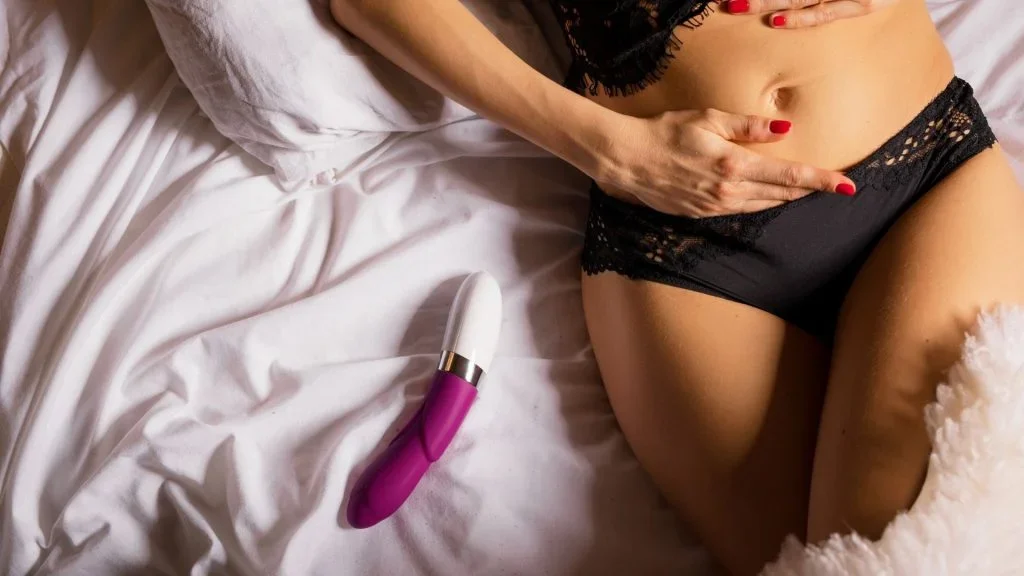
There was a time when female pleasure was treated like a rumor. Mentioned vaguely. Explained poorly. Left largely to guesswork. Then came the toys. But sex toys may have done more than simply enhance masturbation for women, they may have taught it. Or, depending on who you ask, they may have quietly stepped in and done the work instead.
It’s a provocative question. And an uncomfortable one. Because it asks us to examine not just how women touch themselves, but how they learned to want, explore, and understand their own pleasure in the first place.
When Technology Steps Into the Bedroom
Modern sex toys are precise. Efficient. Relentlessly good at what they do. They promise orgasms with less effort, less time, and less uncertainty. For many women, especially those raised without comprehensive sex education or permission to explore their bodies, this feels like liberation.
No fumbling. No frustration. No wondering if you’re “doing it right.”
But with this comes a subtle tension: if pleasure arrives fully formed at the push of a button, what happens to the learning curve? The experimentation? The slow, sometimes awkward process of discovering what your body responds to?
In other words, are toys expanding intimacy, or outsourcing it?
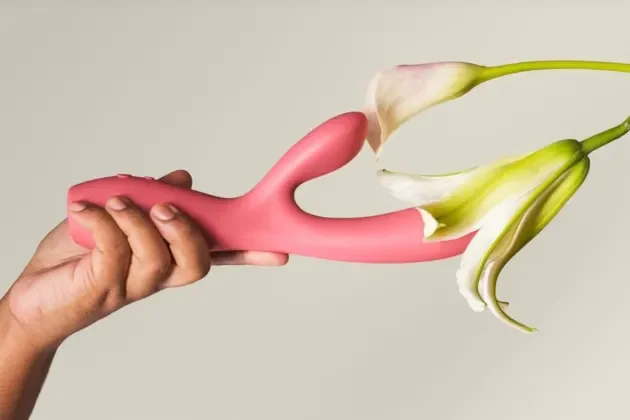
Masturbation as Education
Historically, masturbation has been how people learn their sexual language. Pace. Pressure. Rhythm. Fantasy. It’s where curiosity sharpens into confidence. But when toys dominate the experience early on, some sex educators worry that the body’s internal feedback gets overridden by external stimulation. Not replaced, but deprioritized.
This doesn’t mean toys are bad. Far from it. For many women, they’ve been a revelation, especially in a culture that still struggles to discuss female pleasure without apology or punchlines.
Toys have normalized orgasm. Made it discussable. Purchasable. Reviewable. That alone is no small victory.
Convenience vs. Connection
The deeper question isn’t whether toys work. They do.
It’s whether pleasure without presence changes our relationship to desire. When orgasms become frictionless, do we lose something in the process? Or are we simply evolving, using tools the same way we always have, from vibrators to dating apps to hormones?
Some experts argue that toys can actually enhance body awareness when used intentionally as partners, not replacements. Others caution that reliance can dull sensitivity or make partnered sex feel less intuitive.
The truth, as usual, lives in the nuance.
The Cultural Undercurrent
What’s really being debated here isn’t masturbation technique. It’s autonomy.
Who controls female pleasure?
The body?
The mind?
The machine?
In a capitalist culture, desire is rarely left alone. It’s optimized. Marketed. Upgraded. And sex toys, especially those branded as empowerment tools, exist at that intersection of liberation and consumption.
They offer access. But they also sell solutions.
So… Are Toys Teaching—or Taking Over?
Maybe they’re doing both.
They’ve taught generations of women that pleasure is real, attainable, and worth prioritizing. That orgasms aren’t rare accidents or rewards for good behavior. That wanting more doesn’t make you greedy, it makes you informed.
But they’ve also made it easier to skip the messy middle. The listening. The slow curiosity. The kind of intimacy that isn’t optimized for speed.
The invitation, then, isn’t to give toys up, but to use them consciously.
Let them amplify sensation, not replace awareness.
Let them accompany exploration, not end it.
Let pleasure remain a conversation, not a transaction.
Because the most powerful thing a woman can learn isn’t how to climax on command.
It’s how to stay present with her own desire, with or without batteries.
