
The Sexy Transformation of the Period Drama
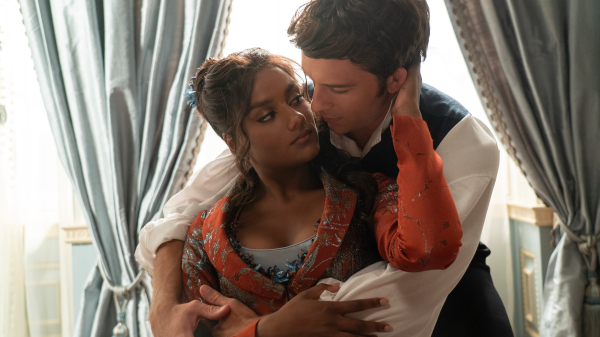
A few decades ago, period dramas were about corsets, gentle flirtation, and unspoken glances. But today, they’re practically risqué.
The turning point came in 1995 with Andrew Davies’s adaptation of Pride and Prejudice. It offered subtle sexual energy—remember Colin Firth, soaked shirt and all?—a spice-laced whisper rather than a shout. That wet-T-shirt moment captured attention—but nudity remained off-limits.
By 2002, Davies had upped the ante with Tipping the Velvet, a Victorian-era lesbian romance that broke ground with its frank sex scenes. Scandalous, yes—but it signaled a willingness to foreground sexual desire in historical settings.

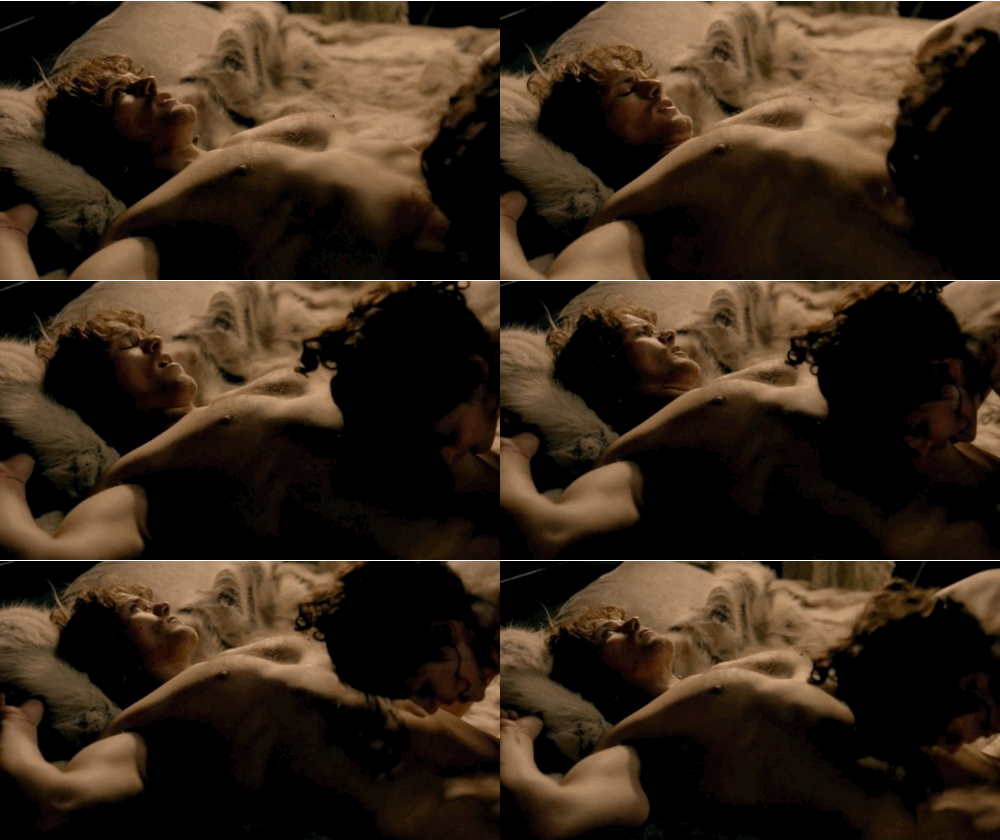
And in 2014, Outlander exploded onto screens with time-travel and marathon sex sequences that became genre standard. There’s a notorious wedding-night scene where Claire’s delight is so intense that viewers almost needed smelling salts—alongside castle cunnilingus and a surprising life-saving masturbation sequence. It was unapologetically pleasurable and deeply character-driven.
🎬 Today’s Raunchy Royals & Bold Bedroom Blunders
Modern period hits like Harlots, Gentleman Jack, Mary & George, and Bridgerton lead with eroticism—and female pleasure—front and center.
Harlots explores sex work in Georgian London with a feminist lens, focusing on power dynamics and survival, not just arousal
Gentleman Jack depicts real historical same-sex desire with nuance and strength.
Mary & George spirals into full-on orgy territory, blending scheming elites with sexual excess.
Bridgerton bursts with Regency-era erotica—passionate first-times, oral sex, consent-based desire, and even self-pleasure—with female perspective driving the intimacy. Social media raved that it “modernized the romance novel.”
📈 What Sparked the Shift?
Cultural freedom: The #MeToo movement and shifting attitudes meant intimacy wasn’t taboo—it demanded authenticity and voice.
Broadcast evolution: Streaming platforms brought fewer censorship constraints, allowing longer, more explicit scenes.
Creative control: Female showrunners and professional intimacy coordinators shaped sex as emotional storytelling—not mere titillation.
Audience appeal: Producers intentionally modernized period settings—diversifying casting, dialogue, and romantic language—to resonate with contemporary viewers.
💃 Women Rewrite the Script: Pleasure, Power & Adventure
Historically, women in period tales were defined by passivity—waiting to be courted, wed, or saved. But the modern wave reframes female sexuality:
Female characters prioritize their own desire and pleasure.
Sex is consensual, mutual, and often initiated by the woman.
Historical female sexuality is no longer subdued—it’s celebrated.
This transformation suggests that queer desire and female lust weren’t absent in history—they were repressed or invisible. These dramas invite us to reimagine women's adventurousness, urging a reassessment of the past through a lens of autonomy and agency.
🌚 Critics Sound the Alarm
Of course, not everyone is impressed. Some historians argue these shows distort history, projecting modern values into eras where they didn’t exist. They worry romance is overshadowing realism.
Yet the counterpoint is strong: narrative intimacy, shaped thoughtfully, can illuminate emotional truths, even within invented or modified pasts. The emotional stakes—consent, desire, identity—resonate more deeply when women assert sexual freedom.
🧭 Final Thoughts: When Raunch Meets Realism
What was once G-rated longing is now Revolutionary Erotica. Through this lens:
Sex is no longer shameful or hidden—it propels the story.
Women take the lead in shaping romance, identity, and liberation.
Period drama has become a way to hear a historically silenced voice: women's unapologetic sexual adventuring.
Perhaps, after all these centuries of repression, these shows prove what desire historians long denied: women were adventurous, bold, and yes—excited by sex. And now, modern storytelling is letting that truth shine.
