
What Women in the Ancient World Actually Thought About Sex
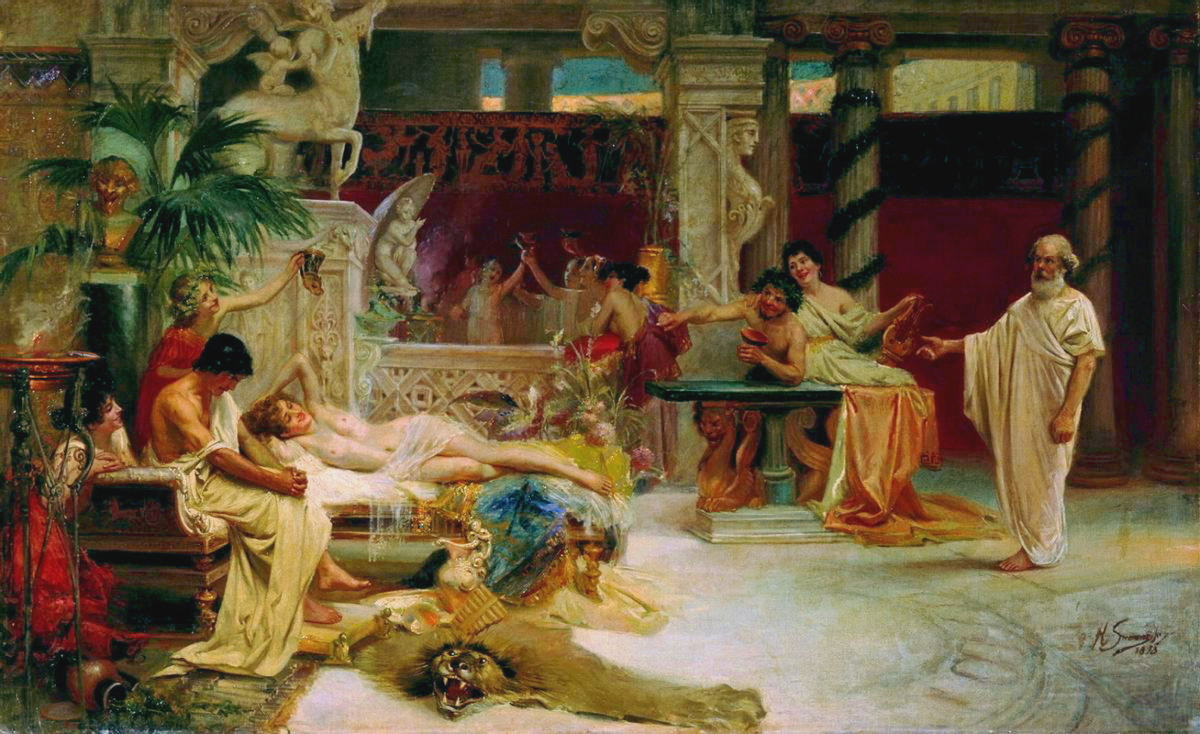
Spoiler: they were not the blushing, silent bystanders history textbooks made them out to be.
For centuries, we’ve inherited a tidy narrative: ancient women were passive, modest, controlled by fathers and husbands, and largely excluded from conversations about pleasure. But when historians dig into poetry, medical texts, personal letters, and even graffiti, a far more complicated and way more juicier story emerges.
In Ancient Greece, elite male writers often framed women as vessels for reproduction, preaching modesty and restraint. But step outside the philosophical lecture halls and into the plays, poems, and everyday artifacts, and you find something else entirely. Comic playwrights joked openly about female desire. Love poetry hinted at longing and erotic agency. Women weren’t always silent they were just filtered through male pens.
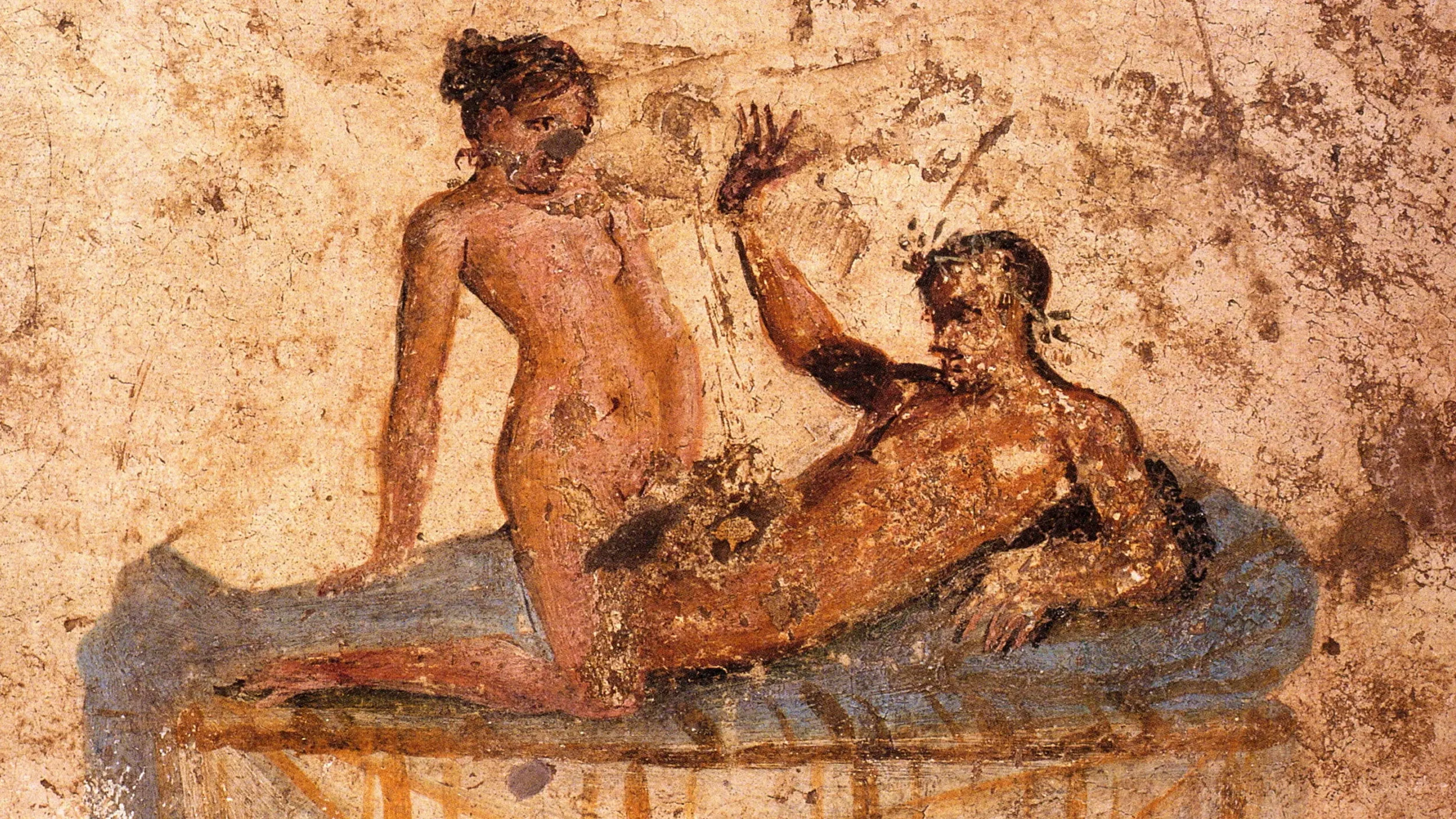
In Ancient Rome, things get even more layered. Roman culture openly celebrated sexual appetite (at least for men). But archaeological finds from places like Pompeii show erotic art and inscriptions that suggest women were not strangers to pleasure. Some graffiti even records women boasting about lovers or commenting on sexual experiences. That doesn’t sound like total repression, that sounds like participation.
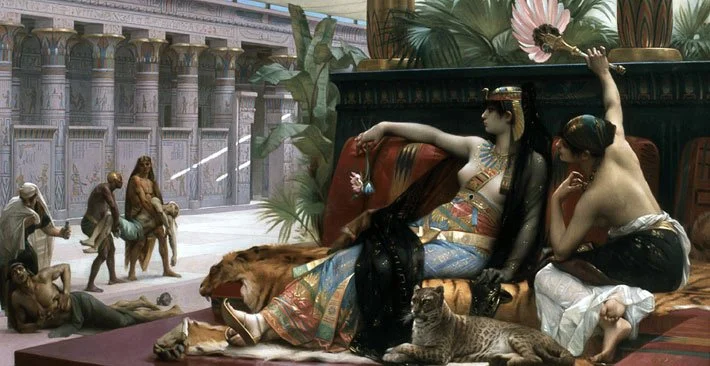
Medical writers of the time also believed women experienced sexual desire physically and intensely. Ancient physicians argued that female orgasm played a role in conception, meaning pleasure wasn’t just acknowledged, it was considered biologically important. Imagine that: a world where doctors insisted women needed climax to get pregnant. Revolutionary? Maybe not. Surprisingly progressive? A little.
Move beyond the Mediterranean and the story keeps shifting. In parts of the ancient Near East and Asia, sexuality was woven into religion, poetry, and philosophy. Goddesses embodied erotic power. Sacred texts described desire without apology. Female sexuality could be revered, ritualized, or regulated, but it was rarely nonexistent.
Of course, patriarchy was real. Laws controlled women’s bodies. Marriage often limited autonomy. But to assume ancient women were universally prudish or uninterested in sex erases the evidence. Desire has always existed, even when society tried to police it.
The bigger takeaway? Female pleasure isn’t a “modern invention.” It didn’t suddenly appear in the 1960s or with dating apps. Women in ancient times thought about sex, wrote about sex, joked about sex, worried about sex, and likely enjoyed it. Sometimes within constraints, sometimes despite them.
History isn’t a straight line from repression to liberation. It’s a mosaic of cultures negotiating power, pleasure, and propriety.
And if anything, the ancient world reminds us of one delicious truth: women have always had desires.
The record just needed a better translator.
