Queer Culture in the Spotlight: From Underground Nights to Everyday Mainstream
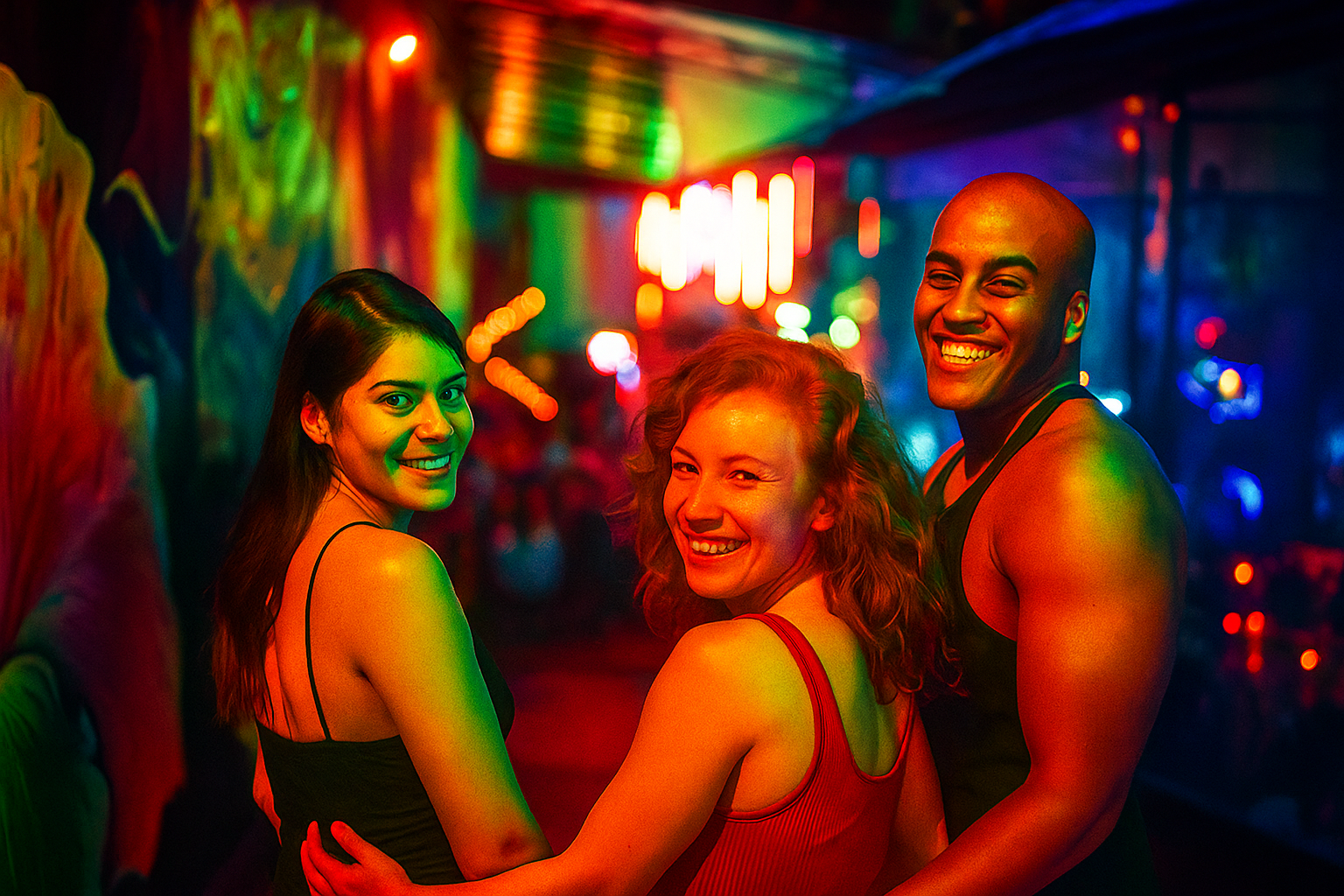
A Shift From the Margins
There was a time when queer sex culture lived almost entirely in the shadows. Nightclubs with no signs, bathhouses whispered about through word of mouth, hookups arranged in coded personal ads or through chance encounters in dimly lit corners of the city. These spaces were both protection and liberation, a way to find joy in a world that often refused to acknowledge queer existence.
Fast forward to today and it is impossible to miss how much of that same energy has entered the mainstream. What once thrived in hidden rooms now shows up in TikTok skits, glossy fashion spreads, and mainstream stand-up comedy. Apps like Sniffies, born from the cruising scene, are mentioned on podcasts. Harnesses appear on runways, pop songs reference “slut eras,” and even corporate ads lean into cheeky innuendo.
This does not mean everyone is suddenly diving into the deep end of queer nightlife. But it does mean the aesthetics, language, and unapologetic openness about sex have seeped into the wider culture. A teenager in the Midwest might casually mention “gay brunch energy.” Straight couples swap jokes about “tops and bottoms.” What was once coded and contained has spilled into the mainstream, reshaping how everyone talks about desire.
Borrowed Vibes and Real Roots
For queer people, this mainstream embrace feels both exciting and complicated. There is validation in watching culture once mocked or demonized become desirable. At the same time, it is easy to see how the messy, lived reality gets flattened into a vibe. A leather harness on a runway is not the same as the leather community that built mutual care around it. A hookup app punchline does not tell the whole story of cruising, where danger, connection, and joy have always coexisted.
Still, the cultural exchange is undeniable. Queer sex culture did not just survive mainstream attention: it shaped it. The world learned how to joke, flirt, and party a little more boldly because queer people showed the way.
Safer Sex in a Slutty Era
With sex culture more visible than ever, the question is not whether people will experiment, but how they can do it without putting their health on the line. Safe sex does not mean less fun; it just means finding ways to mix pleasure with care. Here are five simple steps that can help.
1. Non-penetrative sex
Not every hookup has to involve penetration to be hot. Mutual masturbation, grinding, oral, or even just exploring touch can all deliver intimacy and excitement with much lower risk of transmitting infections. Thinking outside the box can not only keep things safer but also expand what partners think of as satisfying.
2. DoxyPEP and other preventative sexual health prescriptions
DoxyPEP is a small but useful addition to the safer sex toolkit. Taken within a couple of days after sex, it can lower the chances of certain STIs like syphilis and chlamydia, although it is less effective against gonorrhea. The CDC suggests it mainly for gay and bi men or trans women who have had an STI recently. Like PrEP for HIV or vaccines for HPV and hepatitis, it is best thought of as one layer of protection, not a replacement for everything else.
3. Exploring kinks
Kink can actually be a safer way to play when practiced with trust and clear boundaries. Bondage, role play, impact play, or fetish gear often provide plenty of intimacy and excitement without the same level of STI risk as unprotected penetration. Open communication and consent are what make kink both fun and safe.
4. Regular testing
Getting tested every few months is one of the easiest ways to protect yourself and your partners. It helps catch infections early, keeps treatment simple, and builds trust in your sexual networks. Many clinics now offer quick, discreet testing, making it a normal part of a healthy sex life.
5. Condoms and other barrier methods
Condoms, dental dams, and gloves remain the classics for a reason. They protect against a wide range of STIs and help prevent unplanned pregnancies. Even if you are on PrEP or using DoxyPEP, barriers provide a layer of security that is hard to beat. Keeping them in your toolkit means you can make choices that match the moment.
The Bigger Picture
What makes this moment so fascinating is how sex culture and health culture move together. Queer nightlife pushes the boundaries of pleasure and connection, and public health responds with strategies to keep up. Sometimes those strategies start in queer spaces and then spread outward. That is how condoms became standard, how PrEP changed the HIV landscape, and how something like DoxyPEP may eventually reach beyond the community it is designed for today.
And that is what makes this cultural moment so striking. We are watching queer culture both celebrated in mainstream spaces and once again leading the way in rethinking health. From a bathhouse in the East Village to a billboard on Sunset Boulevard, the mix of desire, danger, and care continues to shape how everyone thinks about sex.
Conclusion
Queer sex culture has always been about more than just pleasure. It is about building community, rewriting rules, and finding joy in spaces where shame once reigned. Now that culture is part of the mainstream, it influences how the world thinks about freedom, intimacy, and safety.
DoxyPEP is just one small piece of that story. Used wisely and alongside other practices, it can help people feel more secure while they explore connection on their own terms. The bigger story is that queer culture continues to show everyone what it means to live openly, embrace desire, and take care of each other along the way.