
The Smell of Kink — From a Kinkster’s Perspective
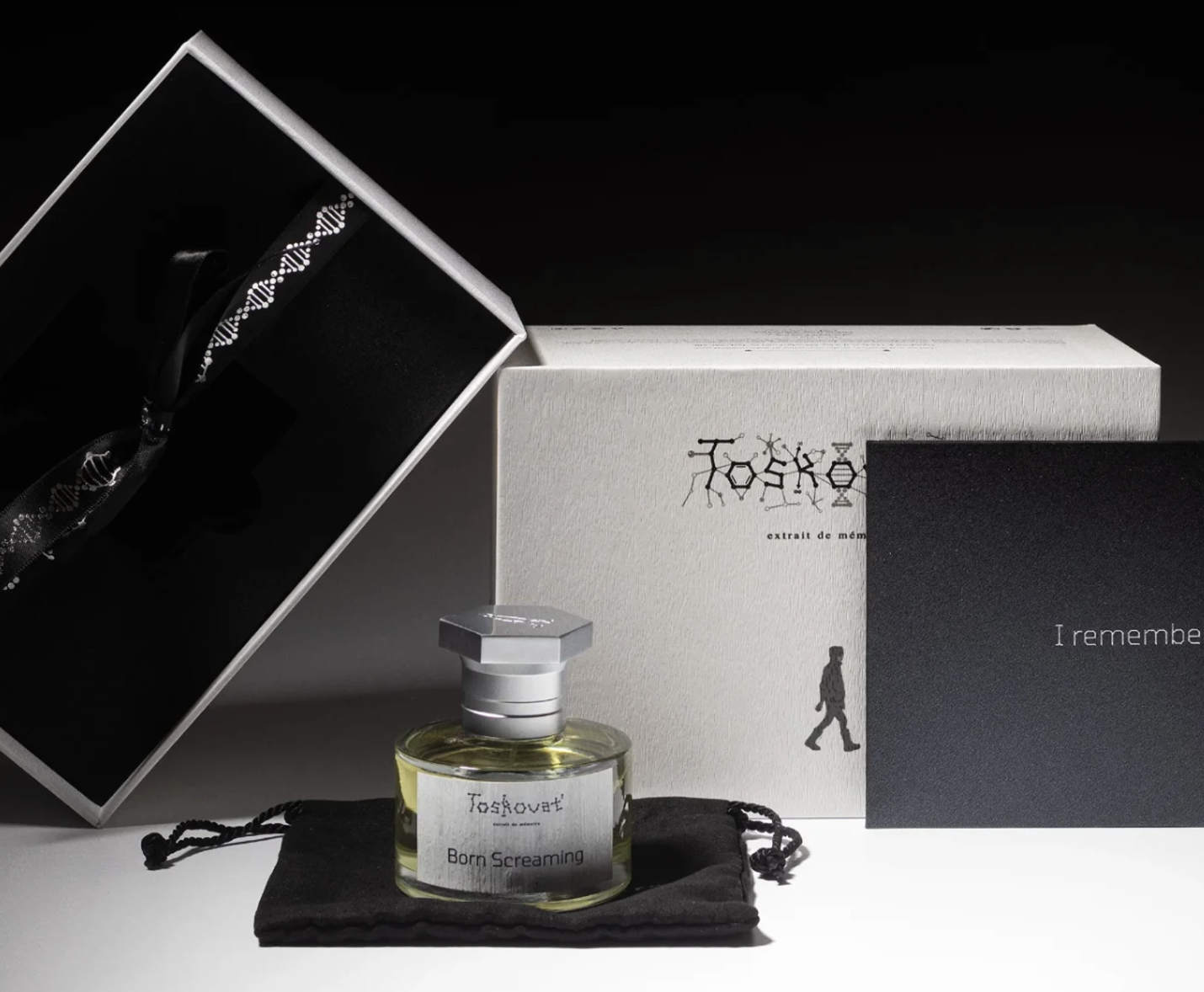
Let’s get something straight right out of the gate: kink isn’t a fashion trend. It’s a lived sensory experience — one that’s rooted in power, vulnerability, desire, and the psychology of pleasure itself. So when I saw a piece in Coveteur about “kinky” fragrances — sweat, latex, leather — infiltrating the world of perfume, I had that internal kink-eye raise moment.
The article spotlights things like latex-inspired notes in new perfumes, and people talking about how the smell of leather or rubber can tap into erotic memories or psychological headspaces. That makes sense, scent and sexuality are deeply intertwined. Dominatrix and community voices quoted in the piece talk about how kink shifts consciousness: vulnerability in a caring context, the tension between control and surrender, and how specific materials carry memory and meaning.
From latex that smells like “synthetic skin” to traces of sweat and castoreum, these elements aren’t just about sex. They’re about accessing states of mind, coded desire, and embodied histories that many people have carried quietly for years. Dominatrix Miss Ozziline even says the smell becomes part of the tease itself — that electric closeness when someone is right at your fingertips yet still out of reach.
But here’s where I want to pause and ask something honest, not hostile, but critical and kink-positive:
At what point does a cultural lifestyle become a trend, and is that appropriation?
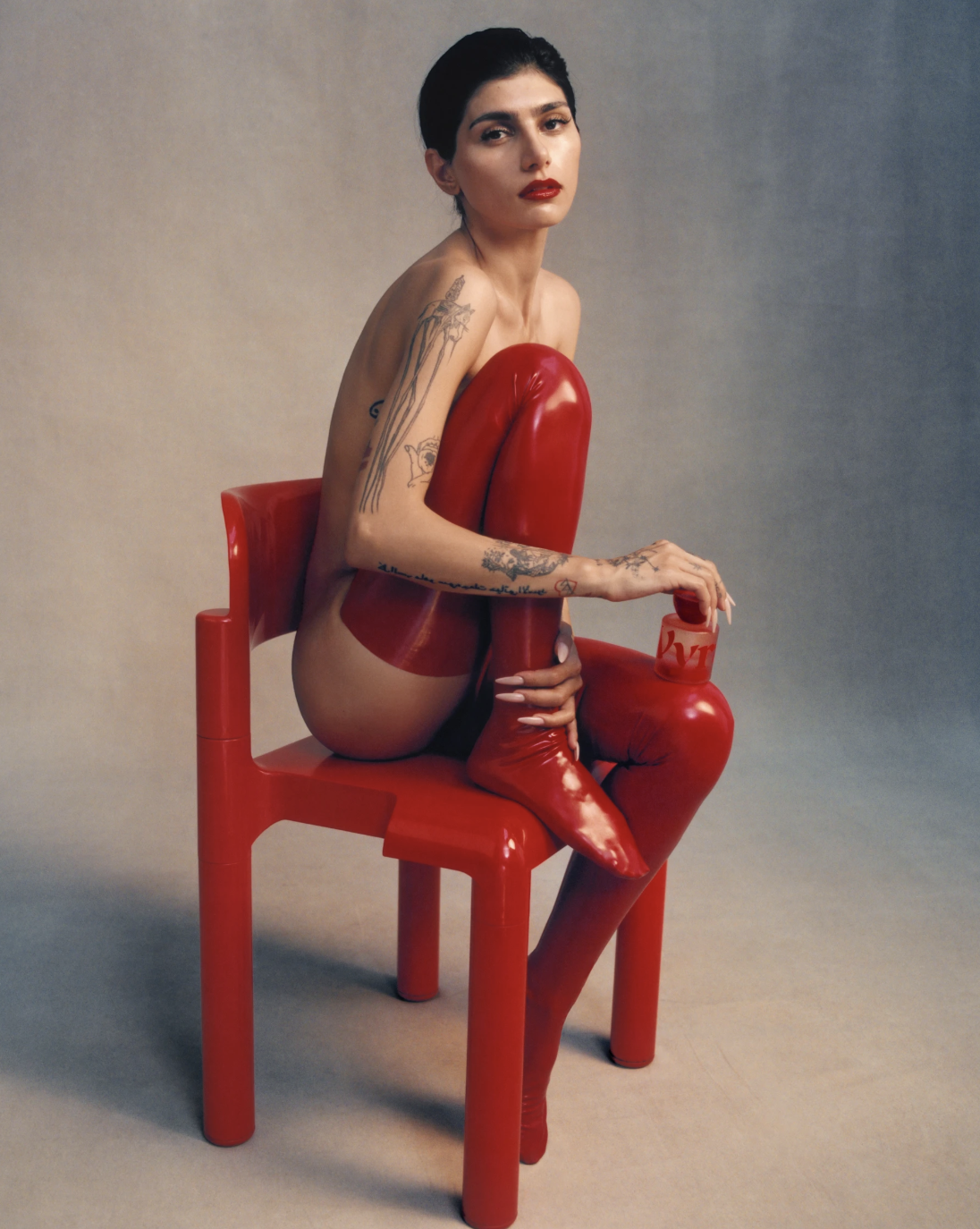
Because while kink communities have long understood the power of sensation, ritual, and transgressive aesthetics, now we’re seeing high-end fragrance brands borrowing that vocabulary, latex accords, animalic notes, fetishistic associations, and selling it as something new or exotic. There’s also a risk of reducing complex erotic identities and practices to “buzzword perfume notes.”
Kink is not a market segment. It’s not a vibe you add to your scent wardrobe and then Instagram. It’s an ecosystem of consent, negotiation, trust, power exchange, and embodied experience that doesn’t exist only to be aestheticized. So I have to ask:
When fashion and beauty start packaging kink aesthetics for mass consumption, is that celebration or is it appropriation?
Are we being seen in that moment, or are our lived practices being commodified?
That’s a conversation worth having, especially among kinksters, sensory rebels, and anyone whose desire gets coded into scent before it’s fully explored in its own right.
