
‘Sister Hong’ Scandal: When Male Victims Are Invisible
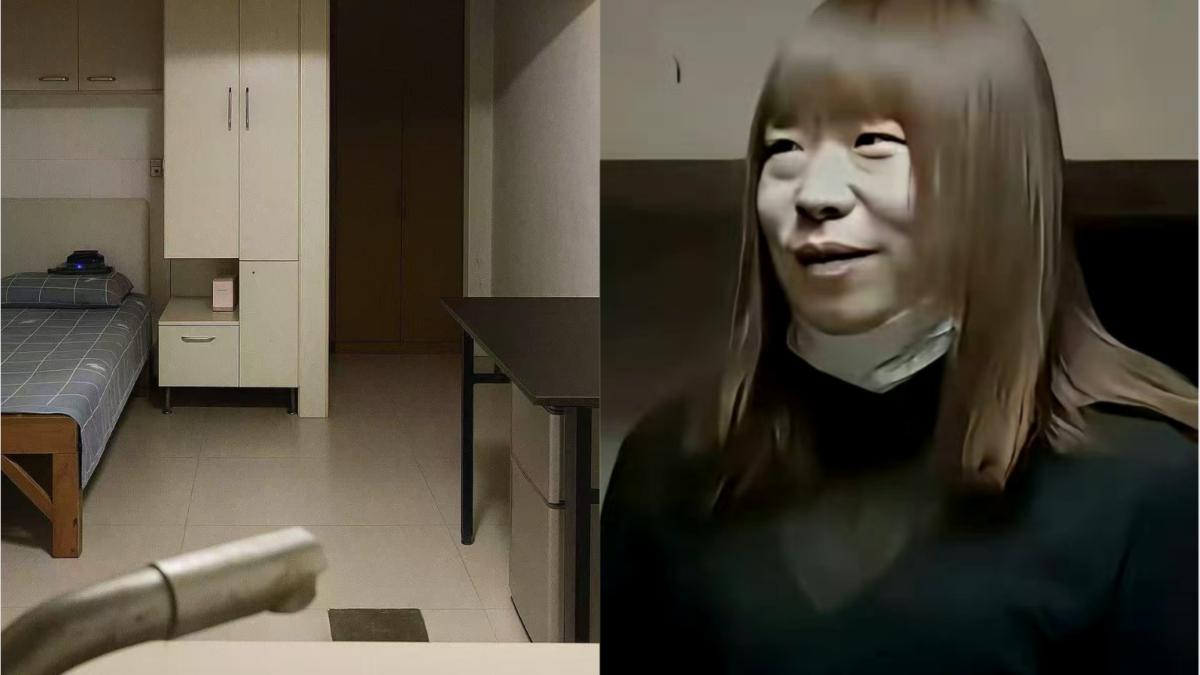
A cross-dressing man in Nanjing, China—dubbed “Sister Hong”—posed as a woman to lure over 1,000 men into intimate encounters, secretly filming them and distributing the footage illegally. This sparked widespread public health concerns when some of the filmed men reportedly tested positive for HIV.
The videos spread like wildfire across platforms including Weibo, Telegram, Instagram, and X—with faces uncensored and identities revealed. Many victims were identified by friends or family, yet instead of empathy, the internet response included memes mocking the victims.
🤐 When Rape of Men Is Met With Mockery—not Mercy
These men didn’t choose to be filmed or exposed. They were deceived, violated—and yet, the public reaction was disturbingly unserious:
Social media turned this criminal breach of consent into jokes, filters, parody ads, and fashion memes celebrating “Red Uncle” disguise tools like wigs and floral blouses.
Victims became punchlines in #NotAllMen and meme culture, reinforcing stereotypes that male victims are fair game.
This reflects a broader societal blindness: men are taught to be invincible—and when assaulted, often aren’t seen as legitimate victims.
📉 Why Assault Against Men Is Regularly Deprioritized
Social stigma and disbelief: Rape is still perceived culturally as a crime against women. When a man reports assault, he can be met with skepticism or accused of lying.
Services aren’t set up for men: Many medical and support systems are not male-friendly, deterring victims from coming forward.
The silence and invisibility: Male survivors' stories are under‑reported, poorly supported, and seldom believed. Movements like #MeTooGarçons and #HimToo have aimed to push back, but male voices remain marginalized.
😡 Public Health & Privacy Failings
The Nanjing CDC is now offering STI testing for potentially exposed men, but that’s after the damage was done. Privacy was breached — and yet many still see the videos as amusing rather than criminal.
The legal charges focus on dissemination of obscene materials—public health risks are frighteningly secondary. The deeper violations against male autonomy, identity, and dignity remain under-addressed.
🧠 The Meme Crisis: Laughing at Trauma
Victims have become fodder for parody AR filters, AI-generated memes, and mock fashion trends inspired by Jiao’s appearance.
What would outrage look like if victims were women? Would we see the same flood of jokes, or would there be collective empathy? This cruel mirroring shows how gender biases warp responses to violence.
🧭 In Conclusion: Men Can Be Victims, Too — and Their Pain Deserves Respect
The “Sister Hong” scandal is more than just sensational—it reveals:
A tragic truth: male sexual assault is real, often undisclosed, and rarely taken seriously.
The internet's power to ridicule survivors instead of rallying around them.
A need for reform: legal, social, and cultural acknowledgment of male trauma with support structures to match.
We owe it to survivors—regardless of gender—to treat every assault victim with dignity, not memes.
