
TrumpRX is Bringing Down the Price of HIV Meds: Why Some Clinics Are Freaking Out
HIV Medications that cost $1500 a month will soon be $40 a year under the new TrumpRx. Will LGBT Activists consider this a win?
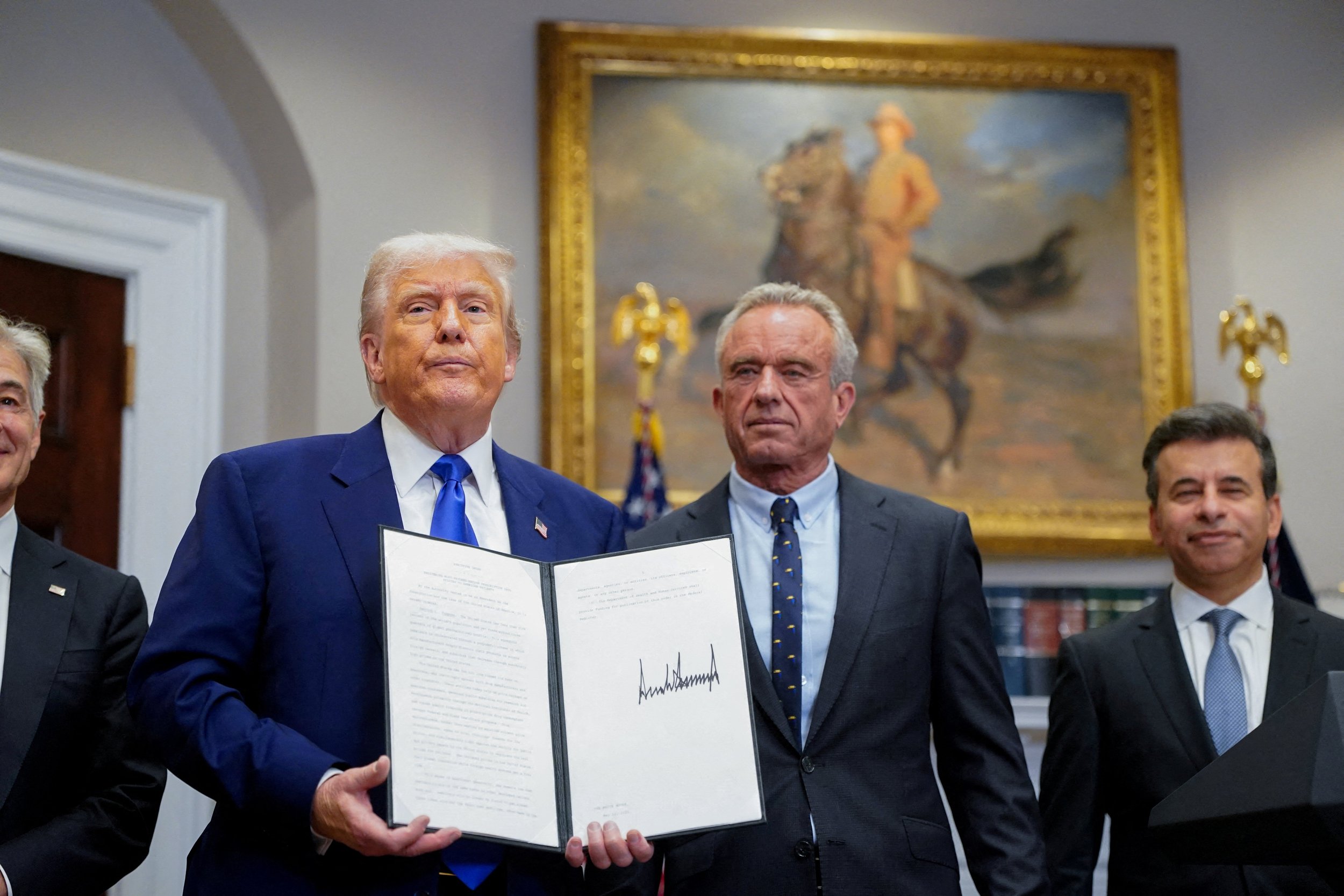
When Donald J. Trump pushed down the price of HIV medication, my assumption was that public reaction should be predictable: Finally!! Let’s End the AIDS Epidemic. Lifesaving drugs should be affordable. But the opposite occurred, with many queer publications pushing stories about how the administration hated gay people and was putting their safety at risk.
Personally, this didn’t make sense to me and I began to investigate why organizations that claimed to care about ending HIV would be so against the people bringing HIV medications down from $1500 a month to $40 a year under the new TrumpRX.
With a little digging, a quieter uncomfortable truth exists, one few activists or healthcare nonprofits are eager to discuss. For a significant number of HIV clinics, high drug prices are not a problem to be solved. They are a business model raking in $66.3B in revenue in 2023 alone.
The Uncomfortable Economics of HIV Care
Many HIV clinics operate under the federal 340B Drug Pricing Program, which allows them to buy medications at deep discounts while still being reimbursed at market, or near-market, rates by insurers and government programs. The difference between what the clinic pays and what it gets reimbursed is often referred to as “spread revenue.” That spread isn’t incidental. In many clinics, it has become central to keeping the lights on.
When HIV drug prices fall, that spread shrinks. And when that spread shrinks, so does the clinic’s discretionary income, the money often used to fund staff, marketing programs, outreach, and, in some cases, executive compensation.
Lower prices don’t just help patients. They disrupt a system built on expensive drugs and that’s a disruption that many LGBT and HIV Clinics are not ready to handle. With an estimated 50% of revenue tied to gauging prices on medications, many of these clinics will need to downsize or close if drug prices reduce by up to 95% in some cases.
Why Price Reductions Feel like a Threat
Publicly, HIV organizations frame their concerns in moral language: services will be cut, patients will lose support, care will suffer.
Privately, the fear is simpler and more structural: price controls expose how dependent clinics have become on inflated pharmaceutical pricing. This isn’t about doctors wanting patients to suffer. It’s about institutions having quietly reorganized themselves around a perverse incentive, one where the continuation of high list prices subsidizes operations.
From a HIV prevention perspective, this should raise serious red flags. How can we trust the institutions funded to end the AIDS Crisis when they are making billions by increasing the prices up on medication?
A System that Rewards Cost Inflation
Conservatives have long warned that government intervention distorts markets. The current 340B ecosystem is a textbook example. Clinics are rewarded when drugs are expensive. Pharmaceutical companies inflate list prices knowing discounts will be applied. Insurers and taxpayers then absorb these costs, lining the pockets of healthcare professionals. And finally, patients are told this is the only way care can exist which keeps them as lifetime patients paying extraordinary fees for HIV prevention and care.
All the while, clinic leadership can position themselves as morally superior LGBT Rights Activists, while benefiting from a system that keeps our healthcare costs high and executives paid.
That’s not compassion. That’s bureaucratic dependency.
When Trump moves to lower HIV drug prices, whether through direct negotiation, international reference pricing, or bypassing middlemen, he’s not “attacking HIV care.” He’s forcing a reckoning that many of those who profited from increasing HIV rates are not ready to confront.
Who Really Benefits from High Prices?
If high drug prices were truly about patient care, we’d expect to see universal transparency about how the extra revenue is used.

Instead, we see a system with little public accounting of how much 340B revenue funds direct patient services. We see a bloating of clinics with expanding administrative layers, with more senior-staff hired while volunteers and low-cost employees manage crisis hotlines and patient outreach. We see executive salaries that increasingly resemble corporate healthcare CEO’s, not safety-net charity
Again, this isn’t an indictment of every clinic or administrator. Many who join these groups often do so because they believe the message or goals of the organization. They believe in an America without new HIV infections, without new AIDS cases.
But Americans also have a right to ask:
Why does an industry claiming to serve the vulnerable require inflated drug prices to survive?
Trump’s Challenge to the Status Quo
Trump’s pricing push threatens more than pharmaceutical profits. It threatens a cross-subsidy model that allows institutions to avoid hard questions about efficiency, scope, and mission.
Lower prices force clinics to confront realities they’ve deferred for years:
Should non-medical services be funded transparently through grants rather than hidden drug margins?
Should HIV care be integrated into mainstream healthcare instead of siloed as a specialty economy?
Should prevention and treatment depend on inflated pharmaceutical pricing at all?
These are not radical questions. They are ones that should be asked by any person who believes in the promise of universal healthcare.
The Real Debate we Should be Having
If HIV clinics close because drugs become affordable, the problem is not affordability, it’s how we chose to fund care.
A sustainable system doesn’t rely on hiding the true price of medicine, price gauging hidden from patients, or fear mongering in an attempt to keep drug prices higher and out of reach for people most at risk.
Trump’s drug pricing agenda doesn’t end HIV care. It ends a comfortable illusion, that moral goals justify broken incentives.
And for institutions built on those incentives, that’s what really hurts.
What Happens Next
Many clinics may not be ready for what comes next. Fight the Oligarchy candidates like Bernie Sanders and AOC have already begun to sound alarms about possible closures of clinics that can no longer profit off of high drug prices.
They have ignored addressing the ever increasing costs of medicine, now seen as Trump-coded, and are instead putting focus on pumping trillions of taxpayer dollars into the pockets of insurance providers to subsidize costs, the exact strategy that has put many HIV Clinics in danger of closing.
To ensure the future of HIV Clinics, there will need to be a reconsideration on where they get their funding from. Price gauging will soon not be an option to keep the lights on, which means fundraising and trying to get Medicaid to cover other services offered my be the only way for these places to survive.
Considering a future where HIV prevention mediation costs less than latte each month, the real questions is will we need as many of these clinics in the future? Only time will tell, but for those of us living with HIV or who grew up through the AIDS Crisis, the only moral thing to do is to support those working towards ending the epidemic by making medicine affordable and more readily available.
